Mastering Risk and Reward: A Trader’s Guide

Andrew Baxter
2 min read
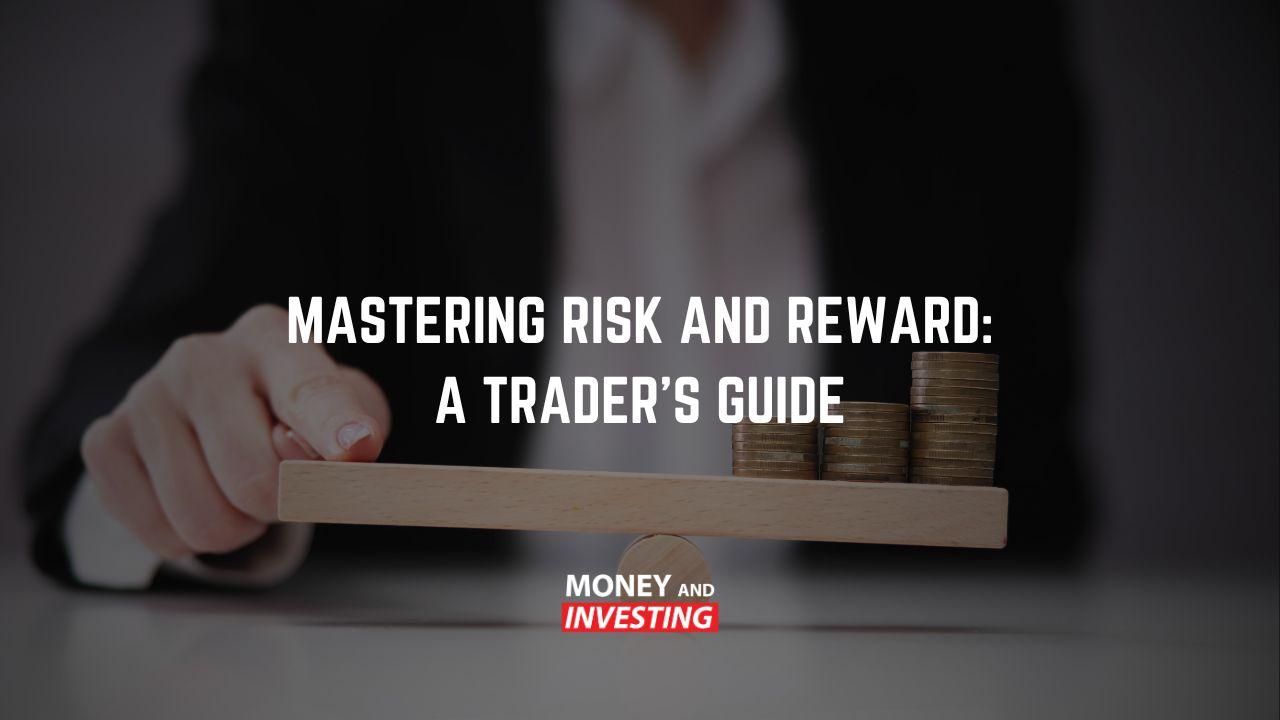
In investing, balancing risk and reward is essential for long-term success. It’s not just about what you earn, but also what you manage to keep. Many investors underestimate the importance of managing risk, believing they won’t face significant setbacks, but being prepared and managing risk effectively is crucial.
It’s natural for investors to be more concerned about losing money than they are about making gains. This aversion to loss is deeply rooted in human psychology. However, risk is an inherent part of investing, and how you handle it determines your overall success. The key is to assess risk before considering potential rewards.
Types of Risk
There are three main types of risk to consider when investing: market risk, sector risk, and stock-specific risk.
- Market Risk: This refers to the overall risk that affects the entire market. Events like economic downturns or global crises can lead to a broad market sell-off, where stocks across all sectors decline simultaneously. Examples include the Global Financial Crisis (GFC) in 2008 or the COVID-19 pandemic.
- Sector Risk: Sector risk is specific to a particular industry or sector. For example, if an airline company experiences a significant incident, it could cause stock prices in the entire airline sector to fall. On the flip side, industries like pharmaceuticals might experience a surge in stock prices during events like a health crisis, due to increased demand for medical supplies and vaccines.
- Stock-Specific Risk: Also known as idiosyncratic risk, this type of risk relates directly to an individual company. For instance, if a company like Boeing encounters issues with manufacturing, its stock may drop, but this may not impact other companies within the same sector.
Managing Risk
To successfully navigate the market, it’s important to understand and assess the risks associated with your investments. One approach is to use investment tools like implied volatility, diversify your portfolio, and make sure your investments align with your goals and risk tolerance.
- Implied Volatility (IV): Implied volatility is a useful tool that measures the expected fluctuations in a stock’s price based on future events. It allows investors to anticipate potential changes in stock prices, such as earnings announcements or significant economic developments.
- Diversification: One of the most effective ways to manage risk is by diversifying your portfolio. By spreading your investments across different sectors and asset classes, you reduce the impact of any single stock’s decline. Investing in broad-based indices, like the S&P/ASX 200, is one way to achieve diversification.
Building Confidence and Consistency
Before aiming for profits, focus on building confidence and consistency in your investment strategy. Having a consistent approach reduces emotional decision-making and helps you make rational choices. As your confidence grows, you can gradually increase your investments.
Jumping into the market without a clear strategy can lead to significant losses, especially if early success is based on luck rather than a solid process. Building your investment knowledge gradually will allow you to handle more complex decisions as you progress.
Conclusion
Managing risk and balancing it with potential rewards is the foundation of successful investing. By using tools like implied volatility, diversifying your portfolio, and focusing on consistency and confidence, you’ll be better positioned to achieve your financial goals. Always assess the risks before making any investment to protect your wealth and maximise your returns.
- #Financial Planning
- #Investing Strategies
- #portfolio diversification
- #Risk Management
- #stock market tips